In the rolling countryside of Somerset, The Newt doesn’t push to impress. It doesn’t have to. The rhythm here is slow, and it suits the place. You arrive by narrow lanes flanked by hedgerows, and the property begins to reveal itself gradually. A garden, then a cider press, then a glasshouse. It unfolds the way a farmstead might, not like a resort. There’s no signage shouting for attention. Even the parking area feels like it belongs to a working estate rather than a guest destination. You get out of the car and start adjusting to a quieter pace.
Landscapes Shaped with Intention
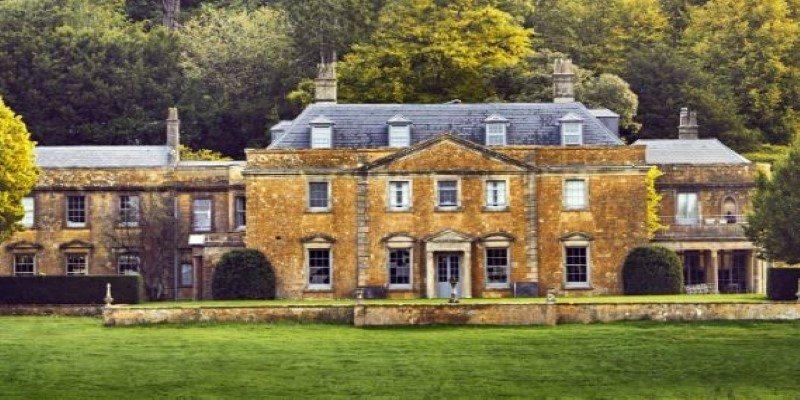
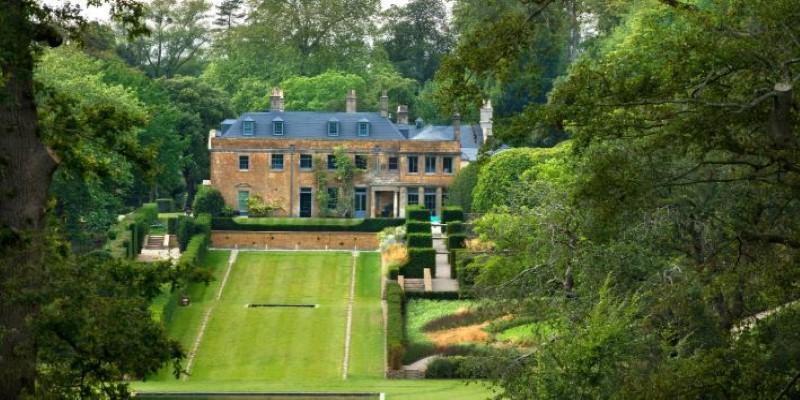
At the heart of The Newt is Hadspen, a Georgian country house with deep historical roots. But the draw here isn’t the house alone. It’s how the land has been shaped. The gardens aren’t ornamental in a postcard sense; they serve a purpose. Some grow vegetables for the restaurants. Others recreate planting styles from different eras. You pass from one zone to another without ceremony. That lack of fanfare works in its favor.
The parabola garden, for instance, runs with productive lines—neatly trained fruit trees that are managed in a way only long-term thinking allows. On busy weekends, gardeners are out among the beds. Visitors don’t treat them like a backdrop. Questions get asked. Children crouch near the soil to watch bugs.
The woodland walks are another layer. These aren’t manicured paths for photos. They feel like they were built for people with time on their hands. There are benches, but they’re spaced far enough apart that silence remains easy to find. Birdsong carries. You hear it clearly, especially in the early hours, if you're staying overnight.
Booking Realities and Visitor Timing
There’s a temptation to treat The Newt as a spontaneous stop, especially for those driving through the region, but that approach backfires during the school holidays or long weekends. The estate has implemented a member access model. It’s not prohibitively expensive, but it does limit casual walk-ins. The system filters out short-notice visitors during peak periods, which has helped avoid the kind of congestion common at other country estates.
People coming from London often underestimate how fast spots fill up for the hotel and spa, especially during April to October. Spring garden events and harvest weekends lead to early booking spikes. The hotels are small-scale, so when they’re full, there’s no fallback nearby without driving out fifteen or twenty minutes. The property isn’t designed for fast turnover. Check-in feels like entering someone’s home, not a service desk.
This setup benefits travelers looking to reset, but it can frustrate anyone trying to squeeze in too much. No one rushes here. It’s not the place for a stop on a packed itinerary. It works better for those building a whole trip around it or travelers accustomed to stretching a stay into stillness.
Practical Details That Shape the Stay
The Newt has its own on-site bakery, dairy, and cider production, which means food service pulls directly from the estate's operations. It creates a kind of loop where meals reflect the season with real accuracy, not marketing spin. Strawberries appear when they're ripe, not when a calendar says summer starts. Some afternoons, you'll see estate staff hauling crates of produce past the restaurant windows. That rhythm grounds the whole experience.
Weather shifts the visit more than most expect. Somerset’s rain isn’t just an inconvenience—it reshapes the entire property. Paths in the lower gardens puddle quickly. Anyone without proper footwear finds this out early. The estate doesn’t sanitize for comfort. You’ll find slick stone, uneven ground, and the occasional closed section during storms. For travelers accustomed to paved paths and constant signage, this can feel unpredictable. But for others, it’s part of the appeal. It’s a place where packing wrong has consequences. That’s rare now.
Cell reception drops in and out across the grounds. Wi-Fi in the main buildings holds steady, but once out among the orchards or woodland, the signal becomes patchy. That's a limitation for guests needing to stay connected, especially international visitors depending on mobile navigation. The estate doesn't fill this gap. It quietly suggests that the time could be spent differently.
Context Within the Region
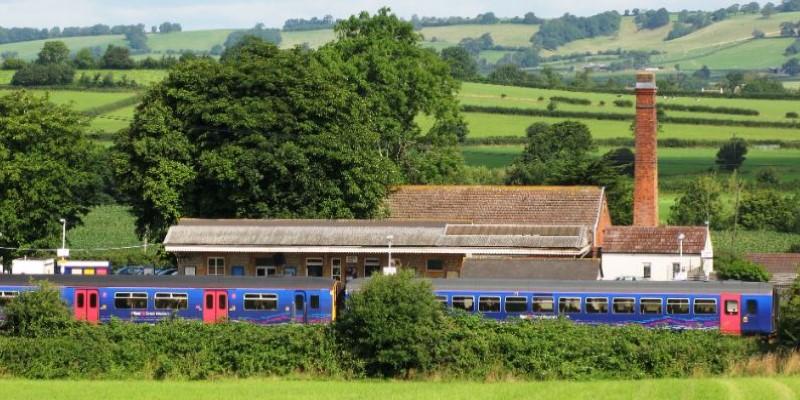
The Newt’s Somerset location isn’t a side benefit—it’s integral. It helps explain the kind of visitor the estate draws. Those already staying nearby in Bruton or Castle Cary tend to visit with some context. There’s interest in landscape, agriculture, and rural architecture. Many arrive by train at Castle Cary and arrange local transport, avoiding the need to drive.
Taxi availability around the estate remains hit-or-miss, especially after 7 p.m. This can disrupt dinner plans for guests staying off-site. The Newt doesn’t operate like a hotel with constant concierge service. Guests are expected to plan. The experience rewards foresight, not improvisation. Nearby towns remain small in scale. This isn’t a place with backup entertainment or an evening scene. Once evening sets in, most people are either at the hotel, walking the grounds, or in their rooms. Travelers looking for options after dark often find the pace too slow. But for those used to early mornings, this fits.
For return visitors, seasonal variation gives the estate longevity. The cider harvest in autumn shifts the tone completely from spring’s floral emphasis. Garden layouts evolve, and the programming reflects that. Repeat bookings tend to cluster around these changeovers. That pattern affects room rates and availability, especially for those trying to rebook after an initial stay.
Conclusion
The Newt isn’t designed for passersby. It suits people looking to stay still for a while. Its strongest qualities come forward slowly. The grounds demand attention and reward those willing to give it. There’s no script to follow. You walk, you rest, you eat what the season offers. This isn't a backup plan for a rainy day in Somerset. It requires its own space on the calendar. Visitors giving it that room tend to come away with a quieter kind of satisfaction. The kind that doesn’t post well online but lingers longer in memory.