Across Asia, most travellers follow familiar routes — the busy beaches, the glowing skylines, the famous resorts that show up in every search. Yet, between those glossy destinations lie quieter corners where time still listens to the sound of the waves. These are the kinds of places that don’t scream for attention. They whisper. They reward patience, not popularity, and their beauty grows stronger the longer you stay.
Visiting these places feels different. You wake up to roosters instead of alarms, eat food made by hand, and notice how the air itself feels slower. These aren’t just spots to tick off a map but living communities that welcome strangers like distant cousins. What makes them special isn’t the absence of comfort but the presence of calm. Here, luxury takes the shape of peace, space, and the ability to exist without rush.
Below are 3 of Asia’s lesser-known paradises — places where you can still find crystal water, open-hearted locals, and that quiet moment when you realise you’re exactly where you should be.
Siargao, Philippines
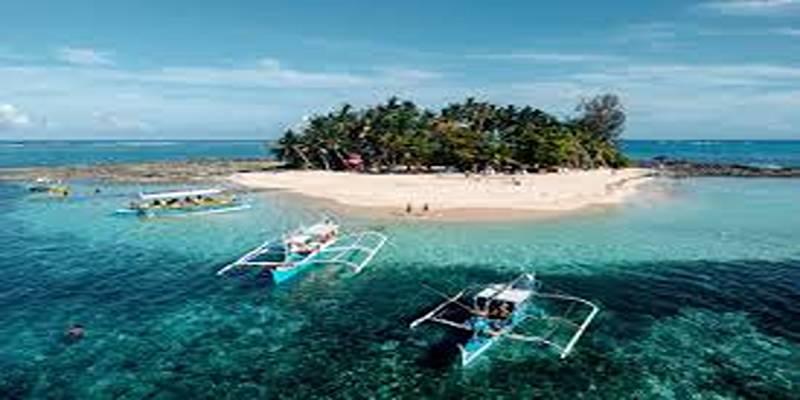
If paradise could wear a smile, it would look like Siargao. This tear-shaped island in the Philippines has become a small legend among travellers who prefer surfboards to skyscrapers and hammocks to hotels. But Siargao’s magic doesn’t only rest in its waves — it’s in its people, its pace, and its pulse.
Every morning, the island wakes slowly. Fishermen push their boats across pale blue shallows while motorbikes hum softly down the coconut-lined roads. The scent of grilled fish mingles with salt in the air, and life seems to move in rhythm with the tide.
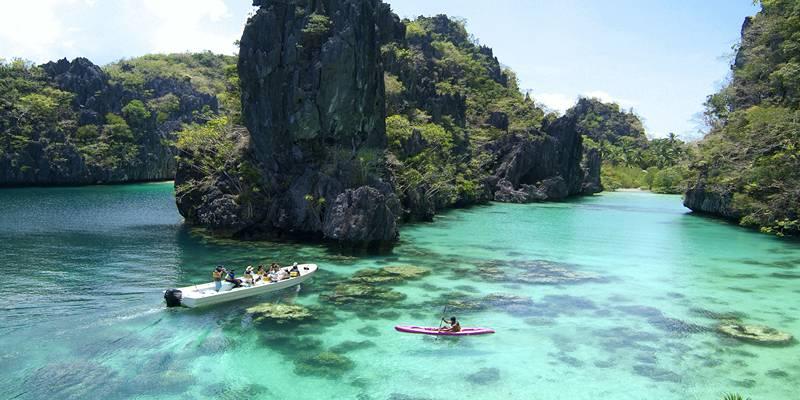
The beaches, though stunning, are only half the story. Venture inland, and you’ll find lagoons wrapped in mangroves, where the water glows like liquid glass. At Sugba Lagoon, travellers often pause mid-paddle to stare at their reflection merging with clouds. It’s a place that feels too peaceful to rush through.
Unlike crowded resorts elsewhere, Siargao’s charm is its simplicity. Most restaurants are family-run, with handwritten menus and dishes that taste like home. Locals share their tables and their stories freely. At night, laughter drifts through the air like music without instruments. There’s no rush to be anywhere else — and that might be Siargao’s greatest gift.
It’s not uncommon to see visitors extend their stay “just one more week,” only to find themselves still there months later. The island doesn’t push; it gently holds you until you realise you’ve found something rare — an easy way of living that feels both foreign and familiar at once.
Koh Kood, Thailand
In Thailand, names like Phuket and Koh Samui echo around the travel world, but a little further east, Koh Kood waits quietly. It is one of those rare places that seem unaware of their own beauty. No high-rises touch its skyline. No crowds push at its shores. Instead, long stretches of soft white sand run into calm, clear water that feels like silk.
Koh Kood greets you with silence, the kind that feels alive. You hear the soft sound of leaves brushing each other and the occasional call of a kingfisher diving for breakfast. Wooden houses sit on stilts above calm lagoons, and children paddle small canoes between them, waving as they pass.
For travellers who seek space rather than spectacle, this island feels almost sacred. You can walk for an hour without seeing another person, yet never feel lonely. The rhythm here is slow, almost hypnotic. Time seems to stretch, bending gently with the sun.
One of Koh Kood’s most enchanting spots is Khlong Chao waterfall. Hidden among the jungle, its pool offers a place to float in the middle of nature’s stillness. Locals visit with woven baskets full of fruit and laughter that echoes through the trees. The beauty lies in its unpretentiousness — it’s just people enjoying the moment, exactly as their grandparents did.
Evenings here are soft. Lights flicker from small beach huts, and the sea mirrors the stars. There’s no need for heavy schedules or noisy entertainment. The island asks for nothing more than your attention — and rewards you with peace so pure that even your thoughts seem to whisper.
Raja Ampat, Indonesia
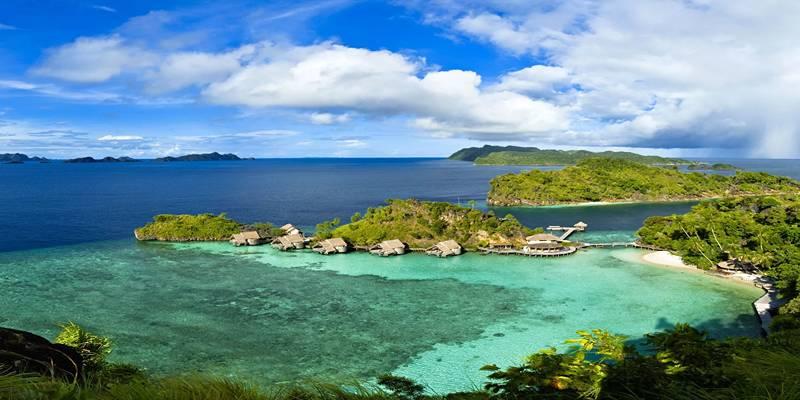
If there’s a place that redefines the word paradise, it’s Raja Ampat. Hidden off Indonesia’s far eastern coast, this collection of islands feels like it belongs to another time. It’s remote, yes, but not unreachable — and that distance is what keeps it so untouched.
From above, the view is almost dreamlike: hundreds of green peaks rising from turquoise water, each surrounded by coral reefs that shimmer in sunlight. Beneath the surface, life explodes in colour. Scientists say Raja Ampat’s waters host the most diverse marine life on the planet. But you don’t need to be a diver to appreciate it. Even with a simple snorkel, you can watch entire underwater cities of coral breathing below you.
What makes this region special isn’t only its beauty but its balance. The local communities have protected their reefs for generations, understanding that their future depends on keeping the sea alive. Visitors stay in eco-friendly homestays, often built by the very families who fish these waters. Meals are simple — grilled fish, rice, and tropical fruit — served with stories about the sea and laughter that travels across the tide.
When night falls, the ocean glows faintly from plankton, and the stars appear close enough to touch. Something is humbling about being here; you realise how small you are, yet how connected everything feels.
Conclusion
Asia still holds secret places where nature and humanity share quiet harmony. Siargao smiles at every sunrise, Koh Kood breathes with the rhythm of the sea, and Raja Ampat glows with colours no camera can capture. Together, they form a map of peace, each showing that paradise isn’t about perfection — it’s about presence.
When you walk barefoot along their beaches, you realise that the real treasures of travel aren’t souvenirs or stories told online. They’re the moments when time stands still and the heart finally catches up with the body.