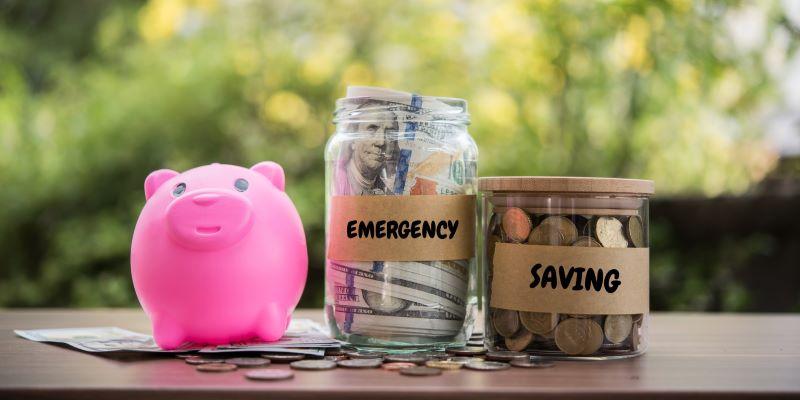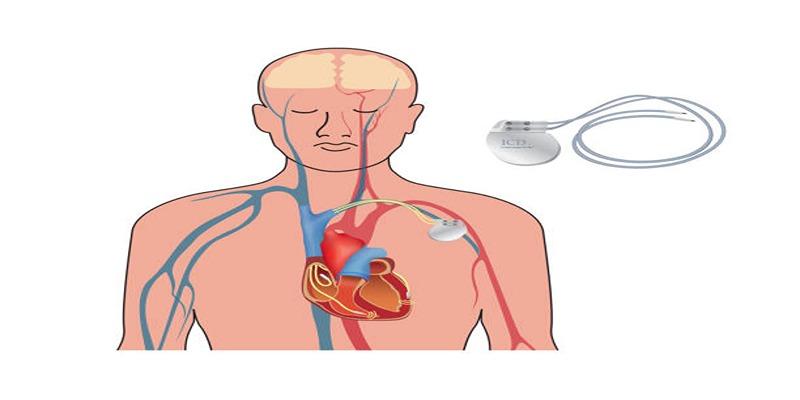
Your car battery dies on a random Tuesday. The fridge stops cooling. A family member needs urgent tests. None of it is planned, and the bill still shows up right now.
That is where an emergency savings fund steps in. It is money you keep only for real surprises, so one bad week does not turn into months of debt. It keeps you from swiping a card in panic or borrowing at a painful rate. It also gives you breathing room when income pauses, even for a short time.
In this guide, we’ll nail down what counts as an emergency and how much cash you should keep based on your real monthly costs.
The Buffer That Keeps You Out Of Debt
An emergency savings fund is cash set aside for surprises that would wreck your budget. It sits outside your daily spending money. It waits for the moment life gets expensive without warning. When that moment hits, you pay the bill without taking on new debt.
This fund has one job. It covers needs, not wants. It is not for Eid shopping, a new phone, or a weekend trip. It is not for planned expenses like annual school fees. If you can predict it, it belongs in a separate savings goal.
Think of the bills that demand action now. A medical test. A burst water pipe. A car repair that blocks your commute. A sudden job gap. The fund keeps one problem from turning into five. It also keeps your long-term goals from getting raided.
How Much Is Enough For Your Life
Set your target as three to six months of essential expenses. Essentials are the bills you must pay to keep life running. Rent or mortgage comes first. Food comes next. Utilities, transport, and minimum debt payments follow. This number covers you when income stops or costs spike.
Your risk decides the exact month count. A fixed salary with strong job security pays less. A commission role needs more cushion. Freelancers need more cushion. A single-income home needs more cushion. Dependents raise the number fast. Health needs also rise fast.
Pick a number that matches your real world, not a generic rule. Three months' work for a stable job with low debt. Six months fit variable income or high rent. Nine months fit a small business owner or a shaky industry. The goal is time. Time to solve the problem without panic.
Turn Monthly Bills Into A Clear Number
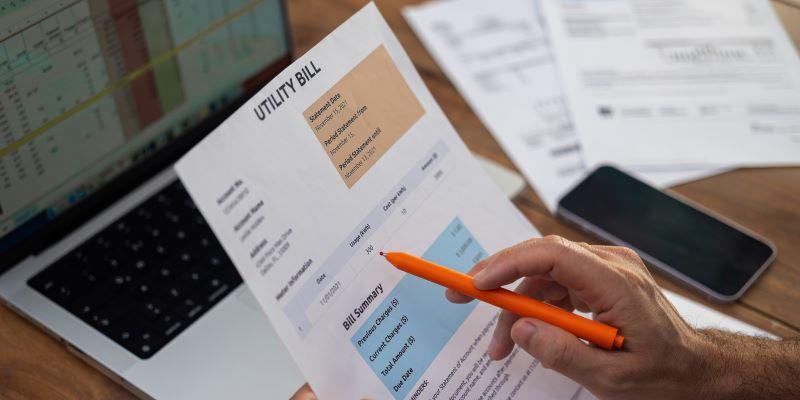
Start with one honest month on paper. Imagine you lost income today. You still pay for shelter, food, and the basics that keep you working. This is your bare-bones month. It shows the true minimum you need to stay steady while you fix the situation.
Count only what keeps the lights on. Include rent or mortgage, groceries, utilities, transport, phone and internet, and basic health costs. Add minimum payments on loans or cards. Add school fees only if they are due during the emergency window. Leave out dining out and upgrades.
Now do the math. Take your monthly essentials and multiply by your monthly target. A monthly spend of 150,000 PKR times four months equals 600,000 PKR. Add a small buffer for price jumps. Review the number after big life changes. The fund must match your current costs.
Where To Park The Money In Pakistan
Your emergency fund should be easy to reach in a real crisis. That matters more than chasing a slightly higher return. If it takes days to access, it fails its purpose. Keep it separate from your daily account so it does not get spent by accident.
A dedicated savings account works well for most people. It keeps the money safe, visible, and ready. You can also split the fund into two layers. Keep one part for instant needs. Keep the other part in a place that still lets you cash out quickly.
If your fund grows large, think about safety limits too. In Pakistan, deposit protection covers up to PKR 1,000,000 per depositor per bank. If you hold more than that, you can spread it across banks. That reduces risk without adding complexity.
Avoid parking emergency cash in volatile options. Stocks and crypto can drop when you need money most. Even gold can swing in the short term. Your emergency fund is not an investment bet. It is your shock absorber.
A Simple Plan To Build It
Start with a small target that feels doable. Aim for one month of essentials first. That milestone changes your stress level fast. It also proves you can save, even if your budget feels tight. Momentum matters more than a perfect start.
Make the savings automatic. Set a transfer on payday or the next morning. Treat it like a bill you must pay. If money is irregular, tie it to a trigger. Save a slice of every client payment, bonus, or side gig deposit.
Use small wins to grow the habit. Round up spare cash at the end of the week. Move it the same day so it does not vanish. When your income rises, increase the transfer. Even a small increase adds up across months.
When To Use It And How To Reset
Use the fund only for true disruptions. Ask one quick question. Will I face debt or a missed essential bill without this money? If the answer is yes, it qualifies. If it is a want or a planned cost, it does not.
After you tap the fund, rebuild it right away. Set a refill amount and treat it like rent. If the emergency is still active, focus on keeping essentials covered. Once the storm passes, restart the automatic transfer.
Check your fund twice a year. Update it after a job change, a rent increase, or a new family cost. If prices rise, your target rises too. The goal stays the same. Keep enough cash to buy time when life turns sharp.