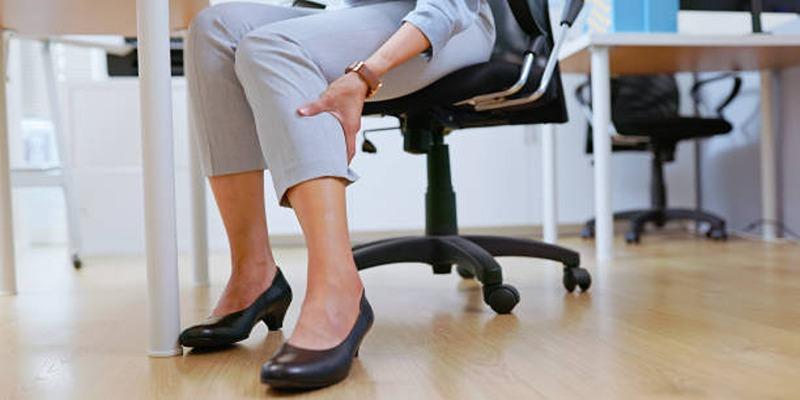
Long-distance travel often results in long periods of sitting, limited room to stretch, and fewer chances for the body to move freely. Whether someone spends hours on an international flight, settles into a long train ride, or waits through an extended airport layover, the body can begin to feel stiff and sluggish. These periods of reduced movement slow circulation, increase muscle tension, and contribute to discomfort that lasts long after the trip ends. Fortunately, a few simple habits can keep the body active, supported, and more comfortable throughout every stage of travel.
Movement during travel does not require strenuous workouts. Instead, small, steady actions help maintain flexibility and reduce the heaviness that often follows long trips. The following approaches provide both practical guidance and clear explanations for why these habits make such a meaningful difference.
Stretch Regularly During Long Flights
Seats on airplanes and trains often limit how much the body can move. Shoulders round forward, legs remain bent for long periods, and the neck begins to tighten. Introducing intentional stretching into these periods of stillness helps counteract the tension that gradually builds.
How to do it:
Begin with stretches that require little space. Slowly roll the shoulders forward and backward, tilt the head gently from side to side, and take slow circular movements with the ankles. Extend one leg at a time as space allows, and flex the toes toward the body to wake up the calf muscles. When the aisle is clear and movement is permitted, stand for a few moments, reach the arms upward, and stretch the calves by rising onto the toes.
Why it helps:
Stretching improves circulation by encouraging blood to move through areas that become stagnant during long periods of sitting. These small motions reduce stiffness, ease pressure in the lower back, and help maintain comfort through prolonged travel times. Regular stretching also prepares the body for additional movement once the traveler arrives at the destination.
Walk Whenever Opportunities Appear
Walking remains one of the most accessible and effective ways to stay active during travel. Even short, slow-paced walks interrupt the cycle of stillness that leads to discomfort.
How to do it:
On flights, take short walks down the aisle when the seatbelt sign is off. On trains, move between cars or walk down the corridor during calmer moments. During layovers, take advantage of the terminal’s open space. Walking from one gate to another or exploring nearby areas within the airport adds steps that support comfort.
Why it helps:
Walking reactivates circulation, reduces swelling in the legs, and helps the muscles regain their rhythm after long periods of inactivity. It also keeps joints mobile and prevents the heavy and sluggish feeling that many travelers experience after hours of uninterrupted sitting.
Use Simple Seated Exercises
Even when travelers cannot stand or walk, seated exercises help keep the body engaged. These movements are subtle, easy to repeat, and effective at reducing stiffness.
How to do it:
Lift the heels and then the toes in a slow alternating motion. Extend each leg forward one at a time and hold the position briefly. Engage the glute muscles for a few seconds before releasing. Twist the torso gently from left to right while maintaining a steady posture.
Why it helps:
Seated exercises stimulate circulation without requiring additional space. They prevent tightness from settling into the hips and lower back and keep the legs activated. These exercises also help reduce the discomfort that often follows long periods of immobility.
Support Your Posture and Core
Extended travel encourages slouching, and poor posture increases pressure on the spine, shoulders, and hips. Focusing on posture helps maintain comfort throughout the journey.
How to do it:
Sit with the back supported and the feet resting evenly on the floor. Engage the abdominal muscles lightly and adjust the sitting position every so often. Place a small pillow, rolled jacket, or folded blanket behind the lower back to create better support.
Why it helps:
Maintaining good posture reduces strain and helps prevent discomfort from spreading into the neck or shoulders. Engaging the core distributes pressure more evenly, allowing the body to tolerate long periods of sitting with greater stability.
Stay Hydrated to Support Circulation
Hydration is an often overlooked part of travel comfort. When the body becomes dehydrated, muscles tighten more easily, fatigue increases, and circulation slows.
How to do it:
Sip water regularly throughout the trip. Carry a refillable bottle when allowed and refill it before boarding. Look for water fountains in terminals during layovers to maintain hydration.
Why it helps:
Hydration keeps blood flowing more efficiently, reduces the risk of cramping, and helps muscles remain responsive. Frequent restroom breaks also introduce natural walking intervals that support overall comfort.
Turn Layovers Into Movement Breaks

Layovers offer a valuable chance to move freely after long periods of sitting. Instead of remaining in one seat for the entire break, travelers can use this time to restore energy.
How to do it:
Walk briskly through the terminal, stretch near open spaces, or practice gentle mobility movements such as knee lifts or arm circles. Some airports include walking paths or designated stretching zones that support movement.
Why it helps:
Movement during layovers helps reset the body by improving circulation, reducing tension, and preparing the body for the next stage of travel. These moments make long travel days feel less draining.
Choose Clothing That Supports Movement
Comfortable clothing plays an important role in travel ease. Tight or restrictive outfits limit movement and increase discomfort during long seated periods.
How to do it:
Wear lightweight, flexible fabrics that allow the body to move freely. Choose shoes that support walking and stretching. Avoid outfits that feel tight around the waist or legs.
Why it helps:
Flexible clothing reduces unnecessary restriction and supports natural movement. Comfortable outfits make stretching, walking, or changing positions easier, which benefits circulation and reduces stiffness.
Practice Calming Breathing Techniques
Travel can feel busy, loud, or stressful. These environments create tension that affects both the mind and the body. Breathing exercises help maintain a sense of calm and support overall comfort.
How to do it:
Inhale slowly for several counts, pause, and then exhale at the same pace. Repeat this pattern several times during the trip.
Why it helps:
Calming breathing reduces muscle tension and encourages relaxation. It helps prevent the shallow breathing patterns that often accompany stress or fatigue during travel.
Listen to Your Body and Respond Early
Travelers benefit from paying close attention to early signs of discomfort. Addressing these signals quickly helps prevent stiffness from building into something more noticeable later.
How to do it:
If the body feels tight, restless, or uncomfortable, adjust posture, stretch, or walk when possible. Small corrections made early help maintain comfort.
Why it helps:
Responding to these cues prevents the discomfort that builds from ignoring the body’s needs. This approach improves the travel experience and helps the body recover more easily after arrival.
Conclusion
Staying active during long flights, train travel, and layovers becomes much easier with intentional movement, mindful posture, and steady hydration. Stretching, walking, seated exercises, and deep breathing all work together to reduce tension and support circulation. These habits help travelers remain comfortable through long travel days and feel more energized when they reach their destination. By paying attention to the body’s needs, movement becomes a natural and helpful part of every journey.