Recovery after a stroke involves more than physical rehabilitation. Many people experience emotional and mental changes that affect daily life, relationships, and self-identity. These changes may appear immediately or develop over time, often leaving survivors and caregivers unsure of what is normal. Understanding emotional changes after stroke helps individuals respond with patience rather than self-blame. Addressing mental health after stroke is a critical part of long-term recovery, not a secondary concern.
Tip 1: Understand Why Emotional Changes Occur After a Stroke
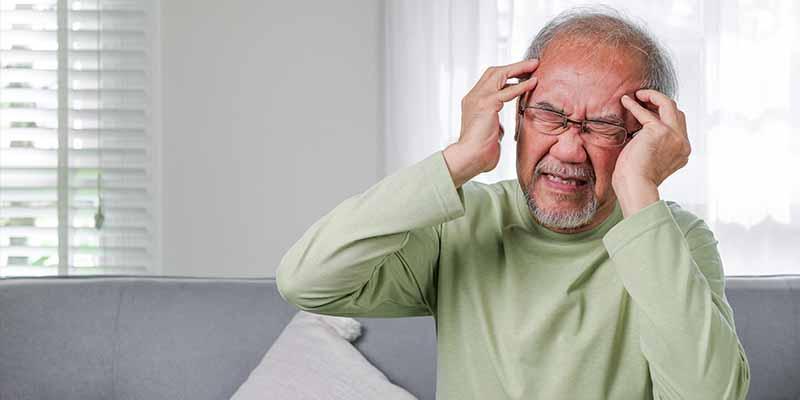
A stroke can directly affect areas of the brain responsible for mood, impulse control, and emotional processing. Damage to these regions may alter how emotions are experienced or expressed. In addition to neurological changes, survivors often face significant life adjustments involving independence, work, mobility, or communication. These combined factors contribute to emotional strain.
Coping after a stroke becomes more manageable when emotional changes are recognized as part of recovery rather than personal weakness or failure. Education helps reduce fear and misunderstanding.
Emotional changes may result from:
- Brain injury affecting mood regulation
- Chemical and neurological changes in the brain
- Adjustment to physical or cognitive limitations
- Stress related to lifestyle and identity changes
Understanding the cause helps normalize the experience and guide appropriate support.
Tip 2: Recognize Common Emotional and Mental Changes Early
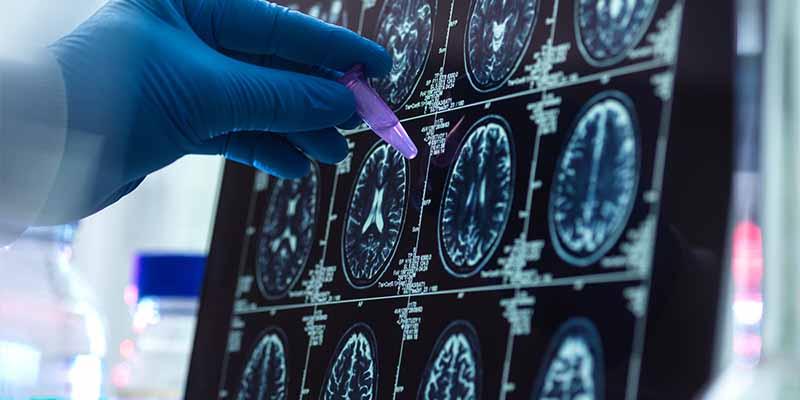
Many stroke survivors experience shifts in mood, thinking, or emotional control. These changes vary in intensity and duration. Some individuals feel persistent sadness or anxiety, while others notice irritability, emotional sensitivity, or difficulty concentrating. Depression and anxiety are common and treatable conditions following a stroke.
Recognizing these patterns early allows individuals and caregivers to seek help before distress intensifies. Early awareness supports emotional stability and better outcomes.
Common post-stroke emotional and mental changes include:
- Sadness or loss of interest in usual activities
- Anxiety or excessive worry
- Frustration, irritability, or mood swings
- Difficulty with focus, memory, or motivation
Awareness supports timely intervention rather than delayed care.
Tip 3: Allow Space for Grief and Emotional Adjustment
Grief after a stroke does not only relate to physical loss. Many survivors grieve changes in independence, routine, identity, or future expectations. Suppressing these emotions may increase distress over time. Acknowledging grief supports emotional processing and healing.
Stroke recovery emotional support begins with validation. Allowing space for emotional expression helps individuals adjust at their own pace and redefine goals realistically.
Healthy emotional adjustment may involve:
- Acknowledging loss without judgment
- Accepting emotional reactions as part of healing
- Adjusting expectations gradually
- Reframing goals based on current abilities
Grief does not prevent recovery; unaddressed grief can.
Tip 4: Seek Professional Mental Health Support as Part of Recovery
Mental health professionals play a vital role in post-stroke care. Therapy, counseling, or psychiatric support can help manage depression, anxiety, emotional regulation challenges, and adjustment difficulties. Treatment may include therapy, medication, or a combination depending on individual needs.
Post-stroke mental health care is most effective when introduced early and integrated into overall recovery plans rather than delayed until distress becomes severe.
Professional support may include:
- Individual or group counseling
- Cognitive or behavioral therapy approaches
- Medication management when appropriate
- Ongoing emotional monitoring during recovery
Seeking help reflects strength and proactive care, not failure.
Tip 5: Use Routine, Connection, and Patience to Support Stability
Structure and connection provide emotional grounding during recovery. Predictable routines help reduce uncertainty and support emotional regulation. Social connection reduces isolation, while patience allows emotional recovery to unfold without pressure.
Emotional healing does not follow a fixed timeline. Progress may be gradual and uneven. Patience supports resilience and prevents discouragement during setbacks.
Supportive strategies include:
- Maintaining regular sleep and meal routines
- Staying socially connected with trusted people
- Communicating emotional needs openly
- Allowing recovery to progress at its own pace
Consistency and compassion support long-term emotional well-being.
Strengthen Social and Emotional Communication
Open and consistent communication plays a central role in emotional recovery after a stroke. Many survivors experience feelings that are difficult to explain, including frustration, sadness, or emotional sensitivity that feels out of character. When these emotions remain unspoken, misunderstandings can grow between survivors, caregivers, and healthcare providers. Clear communication helps ensure that emotional needs are recognized and addressed rather than overlooked or misinterpreted.
Sharing emotional experiences allows caregivers and family members to respond with greater understanding. It also enables healthcare professionals to adjust treatment plans, recommend appropriate support services, or screen for conditions such as depression or anxiety. Emotional changes after stroke are not always visible, which makes verbal expression especially important. Even brief check-ins about mood or stress levels can improve support quality.
Social connection is equally important. Isolation often increases emotional distress and can slow recovery. Staying connected to trusted people provides reassurance and reduces feelings of being alone in the recovery process. Stroke support groups offer an additional layer of understanding by connecting survivors with others who share similar experiences. These groups often help normalize emotional reactions and provide perspective that family members may not fully understand.
Strengthening social and emotional communication does not require constant discussion or emotional intensity. What matters most is creating safe opportunities for expression and listening. Over time, this shared understanding supports emotional stability, motivation, and a stronger sense of control during recovery.
Be Patient With the Recovery Process
Emotional recovery after a stroke rarely follows a straight path. Many survivors experience periods of progress followed by moments of frustration, sadness, or emotional fatigue. These fluctuations are a normal part of healing and do not indicate failure or regression. Expecting steady improvement can create unnecessary pressure and disappointment when challenges arise.
Patience becomes an essential coping skill during this phase. Emotional changes after stroke may take longer to stabilize than physical symptoms, and progress often occurs gradually. Small improvements, such as better emotional awareness or shorter periods of distress, deserve recognition even if larger challenges remain. Focusing only on setbacks can overshadow meaningful progress.
Comparing recovery to others often increases frustration rather than motivation. Every stroke affects the brain differently, and emotional responses are shaped by personal history, support systems, and life circumstances. Measuring progress against someone else’s timeline can undermine confidence and resilience. Coping after a stroke improves when recovery is treated as an individual, evolving process.
Patience also allows space for self-compassion. Emotional recovery requires time, adjustment, and rest, not constant effort or self-criticism. Accepting that emotional healing unfolds over months rather than days helps reduce stress and supports long-term well-being. With patience and consistent support, emotional stability can gradually strengthen alongside overall recovery.
Final Thoughts
Coping with emotional and mental changes after a stroke is an essential part of recovery. Emotional changes are influenced by both neurological injury and life adjustment, making support and understanding critical. Recognizing emotional patterns, seeking professional care, maintaining routine, and staying socially connected all support healing.
Post-stroke mental health deserves the same attention as physical rehabilitation. With informed care, patience, and ongoing support, emotional well-being can improve alongside overall recovery.