You can shop for the right car and still overpay if you miss one small line in the financing box: APR. It’s the number that quietly decides whether your “great deal” stays great after the paperwork is signed.
APR shows up everywhere, but it’s often treated like background noise next to the monthly payment. That’s a mistake. APR tells you what borrowing really costs, not just what it costs this month. It can change based on your credit, the length of the loan, and even whether the car is new or used. Once you know how to read it, you stop guessing and start spotting the offers that deserve a hard pass.
APR isn’t just interest; it’s The Full Price Tag Of Borrowing
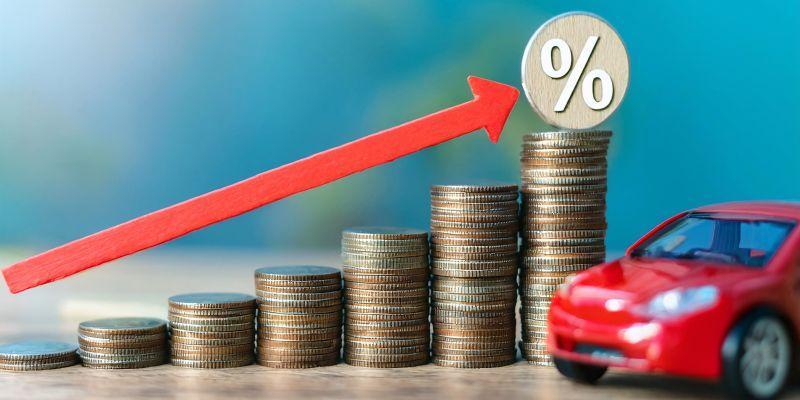
APR is the annual cost of your loan, expressed as a percentage. It includes the interest rate, plus certain lender fees folded into the deal. Think of it as the “all-in” borrowing price, not the sticker price of the car.
The interest rate is narrower. It’s what you pay the lender for using their money. APR zooms out and tells you what that money costs once the loan is packaged, processed, and handed to you with paperwork attached.
That’s why APR is the cleanest comparison tool when you’re looking at multiple offers. Two loans can advertise similar rates, but if one stacks fees into the financing, the APR reveals it fast. It’s the number that makes offers comparable.
Where APR Actually Comes From Behind The Curtain
APR isn’t pulled from thin air. Lenders price it based on risk and profit, and your profile is a big part of that equation. Credit score, payment history, and debt levels help decide whether you look like a safe risk.
The loan itself shapes the APR, too. Longer terms can mean more risk for the lender, especially if the car loses value quickly. A smaller down payment can push the APR higher because the lender is financing more, with less cushion.
Then there’s the car. New vehicles often get better APR because they’re easier to value and easier to resell if things go sideways. Used cars, older models, and higher-mileage vehicles can bring higher APR because the lender’s safety net is thinner.
Why A “Low Payment” Can Still Be A Bad APR Story
A low monthly payment can feel like a win, especially when the salesperson circles it in bold ink. But that number is easy to manipulate. Stretch the loan from 48 months to 84, and the payment drops, even if the APR stays high.
Here’s where the math bites quietly. You’re paying interest for more months, which means the total interest paid can balloon. The loan feels comfortable in the short term, then expensive in hindsight when you realize how long you’ve been paying for the same car.
The best way to sanity-check an offer is to look at the APR and the term together. If the payment looks surprisingly low, ask what changed to make it happen. Sometimes it’s a longer timeline, not a better deal.
New Vs Used, Dealer Vs Bank, And Other APR Plot Twists
New cars often come with lower APR because lenders see them as predictable collateral. The value is clearer, the resale market is broader, and manufacturers sometimes subsidize financing to move inventory. That’s why “0.9% APR” promotions tend to live in the new-car world.
Used cars can cost more to finance, even when the price tag is lower. Older vehicles bring more uncertainty, and lenders price that risk in. Add higher mileage or a niche model, and the APR can creep up fast, especially on longer terms.
Where you borrow matters, too. Dealer financing can be convenient, and sometimes competitive, but it may include a markup over the lender’s “buy rate.” Banks, credit unions, and online lenders may offer tighter rates, especially if you walk in preapproved and ready to compare.
Fees, Add-Ons, And The Fine Print That Can Move Your APR
APR can include certain finance charges like origination or documentation-type lender fees, which is exactly why it’s useful. Two offers with the same interest rate can still produce different APRs if one lender loads more costs into the loan setup.
Not everything rolls into APR, though, and that’s where people get surprised. Extras like extended warranties, GAP coverage, and protection packages may be financed into your loan balance without changing the APR much, while still increasing what you’re borrowing.
The real danger is negotiation by monthly payment. Add-ons get bundled, the term gets stretched, and the payment stays “about the same.” Meanwhile, the amount financed climbs, and your total cost rises. Always ask what’s included in the financed amount before you agree.
How To Use APR Like A Pro Before You Sign Anything
Start with a preapproval from a bank or credit union. It gives you a baseline APR and makes the showroom conversation cleaner. Instead of debating feelings and payments, you’re comparing offers against a real number you already earned.
When you have multiple quotes, line them up by APR and term, then check the amount financed. Ask the dealer to break out any fees and confirm whether the APR reflects them. If something looks off, request a revised offer with fewer add-ons.
There are rare moments when a slightly higher APR can still make sense, like taking a short-term loan that keeps total interest low, or choosing a lender with no prepayment penalties so you can refinance later. But those are choices, not accidents.
A Clean APR Check Saves Real Money And Stress
APR is the number that keeps your car loan honest. It captures the cost of borrowing in a way your monthly payment never will, because payments can be shaped by term length, add-ons, and a little creative structuring. APR cuts through that and gives you a clearer apples-to-apples view.
Before you sign, put APR next to the term and the amount financed. If any of those three feels out of line, slow the deal down. Ask what’s driving the APR, what fees are baked in, and what optional products are being financed. You’re not being difficult. You’re being careful.
When you treat APR as a decision tool, the whole process gets calmer. You stop chasing a “good payment” and start choosing a good loan. And that’s how you leave the lot feeling excited about the car, not uneasy about the contract.