San Francisco rarely behaves like the travel brochures suggest. Fog isn’t just a mood—it rearranges your plans. Streets don’t gently slope; they tilt like ramps in a parking garage. And timing matters more than most travelers realize. A great visit depends on where you're staying, how early you start, and what kind of patience you bring. This 3-day plan works for someone staying near downtown or close to BART lines. It's paced to account for microclimates, traffic, transit hiccups, and crowd patterns that locals deal with all the time. You'll walk a lot, so good shoes help more than any tip ever will.
Day 1: Walkable Icons, but Backwards
Most people begin with Fisherman's Wharf. That's a mistake if you arrive before 10 a.m. Crowds are slow to show up there, so the better use of the morning is the Embarcadero. Start around the Ferry Building Marketplace, where vendors set up early. Lines aren't bad until 9:30. It's worth trying local produce if you're in town on a Tuesday, Thursday, or Saturday. Off days are quieter but still decent for pastries and coffee.
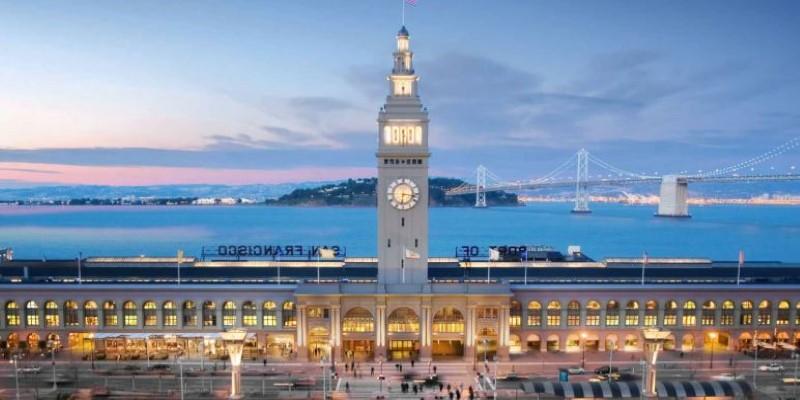
Walk north along the water. The sidewalk opens up near Pier 7, and you’ll see joggers more than tourists. Keep going toward Pier 39. It's not trendy, but it's cleaner than it used to be, and sea lions still gather nearby. The key is not to linger too long here. This whole stretch gets bottlenecked after 11.
Instead of climbing up to Coit Tower, which is a detour most regret once they hit the stairs, cut west into North Beach. Washington Square Park stays sunny more often than other neighborhoods. If you're hungry, grab a slice from a place where the cheese-to-crust ratio actually matters. Many locals still prefer Tony’s, but only before noon. Later, waits balloon to over an hour, even on weekdays.
Finish the day in Russian Hill or Nob Hill, depending on energy levels. The hills are steep either way, but the cable car turnaround near Powell and Market has a better chance of manageable lines in late afternoon than it does in the morning. The cars look touristy but serve a real function—saving your legs from climbing multiple 20% grades.
Day 2: Golden Gate Park Without the Wrong Turns
Golden Gate Park is larger than most visitors expect. Getting lost here isn’t dramatic, just time-wasting. Start from the east side near Stanyan Street and walk west. Weekdays are better, especially before 11 a.m. Weekends bring in cyclists, families, and school groups. Public transit access here is slower, so rideshares work better if you're staying far.
Avoid the de Young Museum entrance crowd if you're not planning to go inside. The gardens behind it are often less packed. People mistake the Japanese Tea Garden for a peaceful spot, but it fills up fast. The quieter area is the Botanical Garden. Locals use it for quiet lunch breaks. There's shade, benches, and fewer selfie sticks. If you're hungry by noon, the Inner Sunset has food options that don't price-gouge or require hour-long waits. It's a residential area, so the pace is calmer. Parking's a nightmare here, though, so anyone driving should plan for circling.
Afternoons in the park tend to stay windy, especially near Ocean Beach. That part isn’t for swimming, but it’s one of the few west-facing spots where you can see a sunset without buildings blocking it. The cold wind picks up around 4 p.m., so layers help. Muni buses from this side of the city aren’t quick. Expect transfers or longer waits. Don’t plan anything rushed afterward.
Day 3: Local Errands and Layered Views
Use the final day to slow down and fit in smaller pockets of the city. Start at Mission Dolores Park if the sky looks clear. Morning sun lands on the grass by 9 a.m., and the skyline view from the upper corner near 20th Street is surprisingly open. People with laptops and dogs start showing up around 10.
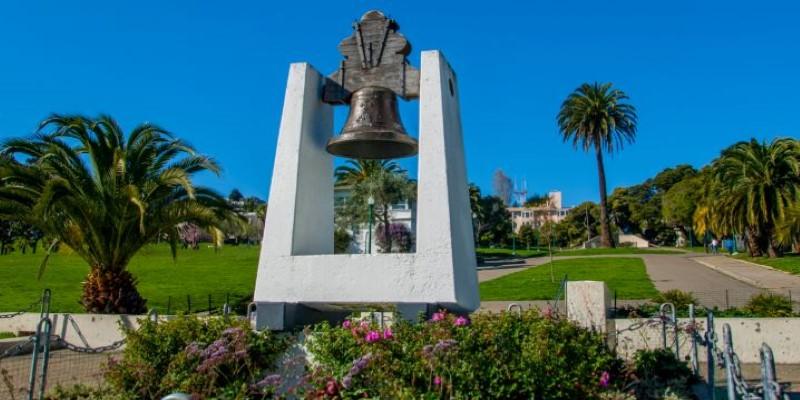
The Mission District changes block by block. Valencia Street is easier for window shopping and lunch without high-pressure service. Mission Street runs grittier but has older businesses still anchored to the area. Noise levels and traffic patterns vary a lot. Try not to rush through. The murals in Clarion Alley are easy to miss if you’re focused on your phone. In the afternoon, make time for Twin Peaks if visibility’s good. Skip it if fog rolls in thick from the west. The drive is short from most neighborhoods, but traffic near the top can get tight.
Sunset views work best in early spring or fall when the sun aligns more cleanly with the city grid. If the weather doesn't cooperate, consider heading toward Hayes Valley. It's compact and filled with shops that locals use for real errands, not souvenirs. Afternoon coffee here feels unrushed. There's just enough foot traffic to keep things lively without becoming a theme park.
Booking and Transit Considerations
Travelers tend to misjudge San Francisco distances because the city isn’t wide, but terrain matters more than size. A three-mile walk can feel like six depending on elevation changes. If you’re planning to book restaurants, aim for off-hours. 5 p.m. or after 8 usually gets you a seat faster. Peak hotel bookings land in the spring and early fall, tied to tech events and school breaks.
July and August look tempting, but fog dominates most mornings, especially near the coast. For lower prices, watch for late November gaps, though rain risk grows. Public transit works well for east-west movement but less so for cross-neighborhood jumps that don’t follow BART or Muni rail lines. The Muni app isn’t perfect, but it’s better than printed schedules. Don’t rely on real-time arrival boards—buses show up when they want, especially after 6 p.m.
Conclusion
San Francisco rewards timing and flexibility more than rigid planning. It’s a city shaped by fog, hills, and unpredictable transit. The best moments often happen between scheduled stops—on quiet blocks or unexpected corners. Locals know the value of slowing down, adjusting plans, and letting the day lead. It’s not about how much gets packed in, but when and how you move through it. Bring layers, stay open to change, and let the rhythm of the city set the pace.